







































































Global Freedom of Expression 2018 Justice for Free Expression Conference - Global Freedom of Expression

Columbia Global Freedom of Expression seeks to advance understanding of the international and national norms and institutions that best protect the free flow of information and expression in an inter-connected global community with major common challenges to address. To achieve its mission, Global Freedom of Expression undertakes and commissions research and policy projects, organizes events and conferences, and participates in and contributes to global debates on the protection of freedom of expression and information in the 21st century. EN | ES | FR | عربي | РУС | PT
- CGFoE.bsky.social
“There was a lot of very fresh and impressive content there throughout – with interesting case studies from all regions”
–Bill Orme – Founding Partner at International Media Development Advisers
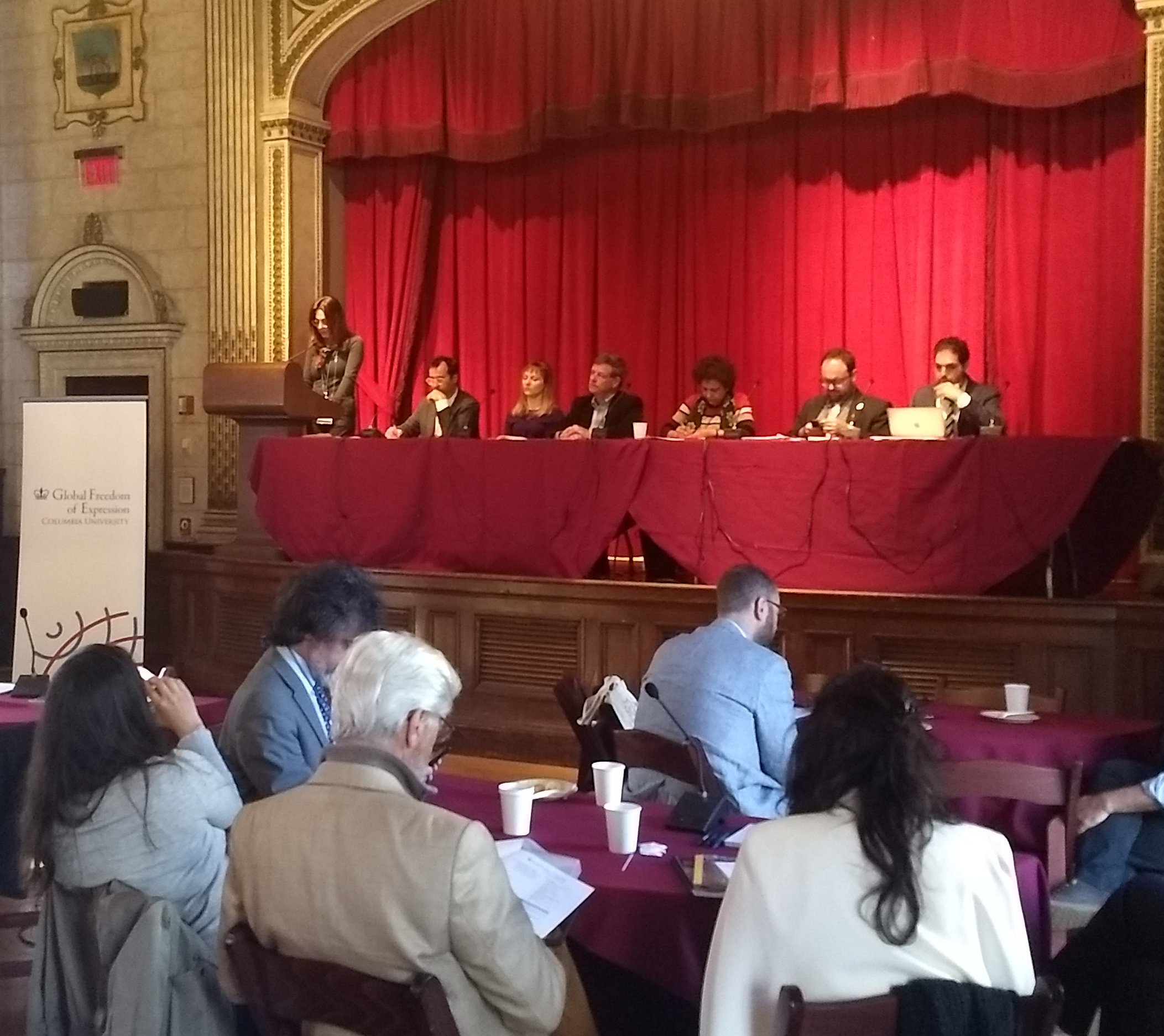
The 2018 Justice for Free Expression Conference opened with an Update from the Global Freedom of Expression Community about its members’ latest initiatives and work to strengthen a global understanding of freedom of expression. During the panel, Columbia Global Freedom of Expression presented its new Teaching Portal, planned for launch in late 2018.
The first panel focused on Global Milestones and Challenges. Experts presented and debated freedom of expression developments in law and jurisprudence of the last 24 months in their regions of focus.
The panel on Private Actors and Human Rights Online sought to highlight the human rights implications of a privatized and commodified internet, and the recent legal, political and self-regulatory, as well as technical developments.
The panel co-organised with the University of Los Andes focused on the Sustainable Development Goal 16 that aims to “Promote peaceful and inclusive societies for sustainable development, provide access to justice for all and build effective, accountable and inclusive institutions at all levels.” Six panelists debated the role of the Judiciary and of the Media in meeting SDG 16, the policies that must be in place to achieve them, as well as the challenges to foster rule of law, freedom of expression and access to information in the present international environment.
For the fourth panel titled Around the World in 7 decisions, legal scholars illustrated the past 18 months through the lens of one particularly important decision from their jurisdictions. Countries covered included South Africa, India, Tunisia, Kenya, Pakistan, Brazil and the European Court for Human Rights.
The following panel on Framing Radicalization and Radical Speech examined how Governments, courts and societies around the world were approaching and defining the concept of “radicalization” and “radicalized” individuals, including in the context of cases testing the limits of freedom of expression.
The final panel of the Conference focused on the Regulation of Lies and “Fake News” in Elections and addressed the various ways in which Governments and Courts were responding to “lies” and “Fake News”, and the extent to which controlling fake news online was simply a matter of extending off-line laws to the digital arena.
Agenda
Click here to see the agenda
Participants
The richness of the discussions at the Conference was made possible by our great community of experts, academics, legal practitioners and activists. Over 50 speakers and some 100 attendees shared their knowledge and perspectives, debated current and future issues, and collaborated on existing and new initiatives over the two days of the event. Further, the speaker selection achieved gender balance and regional diversity, with some 30 countries represented.
Click here to see each participant’s photo and their bio
Panel Videos
|
Welcome and Introduction |
Speakers |
|:-:|:-:| | | Agnès Callamard, Columbia Global Freedom of Expression, DirectorLee C. Bollinger, Columbia University, President |
|
Update from the Global Freedom of Expression Community |
Updates from |
|:-:|:-:| | | Hawley Johnson, Columbia Global Freedom of Expression, US (Chair)Kyu Youm, University of Oregon, USMonroe Price, Price Moot Court, UKGeorge Freeman, Media Law Resource Center, USKarin Deutsch Karlekar, PEN America, USJonathan McCully, MLDI, UKSofia Jaramillo Otoya, Columbia Global Freedom of Expression, US |
|
Global Milestones and Challenges |
Panel Participants |
|:-:|:-:| | | Agnès Callamard, Columbia Global Freedom of Expression, US (Chair)Rebecca MacKinnon, Director, Ranking Digital Rights, USToby Mendel, Center for Law and Democracy, CanadaVidushi Marda, ARTICLE 19, IndiaJameel Jaffer, Knight First Amendment Center, USEdison Lanza, Office of the Special Rapporteur, IACmHRAndrey Rikhter, Office of the Representative on Freedom of the Media, OSCE |
|
Private Actors and Human Rights On-Line |
Panel Participants |
|:-:|:-:| | | Rebecca MacKinnon, Ranking Digital Rights, US (Chair)Chinmayi Arun, National Law University, IndiaBertrand de la Chapelle, Internet & Jurisdiction, FranceOna Flores, Office of the Special Rapporteur, IACmHRChristopher Bavitz, Berkman Klein Center, Harvard, USPeter Stern, Facebook, USYaman Akdeniz, Istanbul Bilgi University, Turkey |
|
SDG 16 Seeking Protection & Justice for Freedom of Expression & Information |
Panel Participants |
|:-:|:-:| | | Catalina Botero, School of Law Universidad de los Andes (Chair)Alejandro Álvarez, Executive Office of the UN Secretary GeneralBill Orme, Global Forum for Media DevelopmentGuilherme Canela, UNESCO Montevideo OfficeIrene Khan, International Development Law OrganizationLucy Turner, Global Alliance for SDG16Michael Camilleri, Inter-American Dialogue |
|
Around the World in 7 decisions |
Panel Participants |
|:-:|:-:| | | Doreen Weisenhaus, Northwestern University, US (Chair)Dario Milo, Partner, Webber Wentzel, South AfricaKaruna Nundy, Advocate, IndiaRichard Danbury, De Montfort University, UK Issaaf Ben Khalifa, UN OHCHR, TunisiaUmer Gilani, The Law and Policy Chambers, PakistanTais Gasparian, RBMDF – Advogados, Brazil |
|
Framing Radicalisation and Radical Speech |
Panel Participants |
|:-:|:-:| | | Sandra Coliver, Open Society, US (Chair)Alexander Verkhovsky, Sova Center, RussiaFaiza Patel, NYU, Brennan Center, USAAdam Weiss, European Roma Rights Center, HungaryJoelle Fiss, Freelance, SwitzerlandBernard Harcourt, Columbia University, USYasmine Ahmed, Rights Watch, UK |
|
Regulating Lies and “Fake News” in Elections |
Panel Participants |
|:-:|:-:| | | Suzanne Nossel, PEN America, US (Chair)James Weinstein, Arizona State University, USMarianne Diaz, Derechos Digitales, ChileTarlach McGonagle, University of Amsterdam, NetherlandsJonathan Corpus Ong, University of Massachusetts – Amherst, USMishi Choudhary, Software Freedom Law Center, IndiaAlex Warofka, Facebook, US |
FAQ
What is the origin of the name Roulette?
What is the origin of the name Roulette? The origin of the name “roulette” is French and it means “little wheel”. The name is derived from the fact that the game is played on a small wheel that spins around, with players betting on where the ball will land. The word “roulette” was first used in its current context in the 18th century, although the game itself dates back much earlier.
Who invented the game of roulette?
Who invented the game of roulette? The exact origins of roulette are a subject of much debate and speculation among historians and gambling enthusiasts. While there is no clear consensus on the game’s inventor, several theories exist regarding its creation. One of the most popular theories is that the game was invented by a French mathematician named Blaise Pascal in the 17th century. According to this theory, Pascal was attempting to develop a perpetual motion machine when he inadvertently created the roulette wheel.
How did the introduction of online casinos impact the game of roulette?
How did the introduction of online casinos impact the game of roulette? The introduction of online casinos has had a significant impact on the game of roulette. Online casinos made roulette and other casino games easily accessible to anyone with an internet connection. Players can now enjoy their favorite casino games from the comfort of their own homes, without having to travel to a land-based casino. Online casinos also introduced new variations of roulette, such as multi-wheel roulette and mini-roulette, which are not typically found in traditional casinos.
Sports Betting Dime FAQ: Meaning Public Betting and Common Misunderstandings
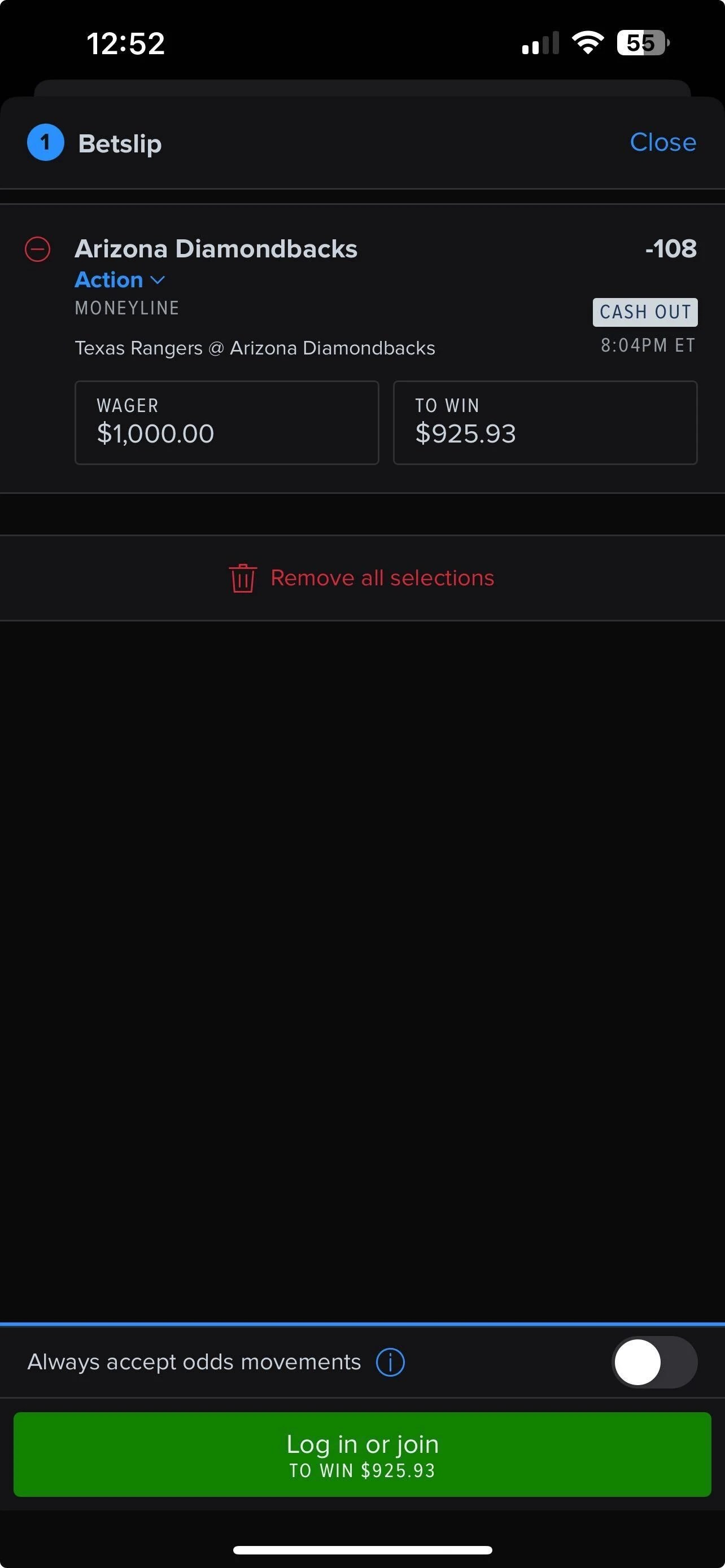
Many users searching for sports betting dime are not looking for a betting strategy, but for clarification. The term appears frequently in betting discussions, prediction pages, and public betting conversations, yet its meaning is rarely explained clearly. What does “dime” mean in sports betting? In betting terminology, a dime traditionally refers to a wager size of one thousand dollars. The term originated from older slang used by professional bettors to describe bet amounts without stating exact figures.
When and why was the double zero added to the American roulette wheel?
When and why was the double zero added to the American roulette wheel? The double zero was added to the American roulette wheel in the mid-19th century. The exact year is not clear, but it is believed to have been added around the 1860s. The reason for its addition was to increase the house edge, making the game more profitable for the casino. At the time, gambling was not regulated in the United States, and casinos were free to set their own rules and payouts.
Maximize every wager with Sports Betting Dime. See expert online sports betting picks, news, odds, and sportsbook promos from the SBD team
This site only collects related articles. Viewing the original, please copy and open the following link:Global Freedom of Expression 2018 Justice for Free Expression Conference - Global Freedom of Expression